Poetry became more exciting when I made it a way of just thinking.
Selected work
Flat as a Flitter
The way you can crush a bug
or stomp drained cans of Schlitz out on the porch,
the bread when it won't rise,
the cake when it falls after the oven-door slams-
the old people had their way
to describe such things. "But what's a flitter?"
The interview
What is the most significant way your writing has changed over time?
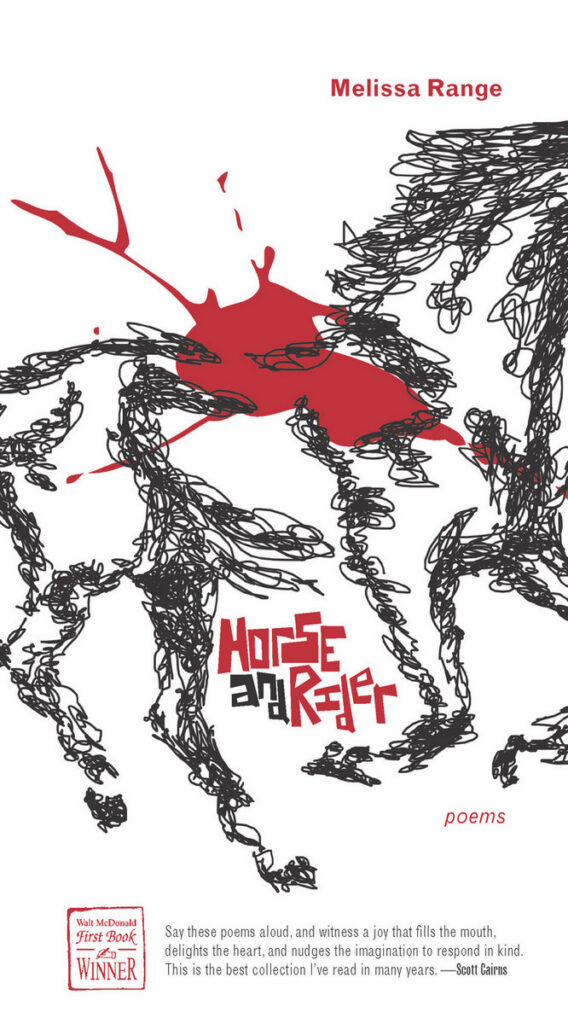
“I started out trying to write fiction. I took a poetry workshop on a whim in college, and I realized I actually liked it so much. It’s short. I don’t have to have characters, so I don’t have to have plot, which are two things I’m not very good at. I just really liked words and images. I had a teacher that was really into confessional poetry, so it was like, you need to write about your life and your pain, and I wanted to write about animals. And then I kind of wanted to write about religion. When you first start writing, you’re often writing in a way that your teachers recommend. One of my early teachers didn’t really love rhyming forms, so they didn’t really spend time discussing those forms. And I discovered, as I kept reading more and kept learning from poets living and dead, that I really liked working with forms. I really liked rhyming and I kind of had to figure that out for myself. I also had to figure out that I really like to use research in poetry. Not always, I do write about myself sometimes too, but I get interested in something and I want to learn more about it. Poetry became more exciting when I made it a way of just thinking. What do I think about abolition? What do I think about birds? What do I think about art? And then if I start writing about it, I can figure out what I think. Process-wise, every book has been a little different, and they’ve all taken me more than a decade. Horse and Rider took me a very long time because it was my first book, and I feel like I’m writing poems faster now than I used to. One thing I’d say about process is that everyone’s process is really individual and really different. I had to accept the fact that I’m not going to get up and write for two hours every day. In some ways, I really wish that was me, but it’s not. I’ve had to trust in the process of either writing nothing or writing a lot. I’ve had to learn that’s okay, and it doesn’t make me less of a writer just because I’m not getting up at 5 A.M. and writing every day.”
What is one piece of advice you'd give young poetry readers and writers?
“I would just say to read everything you can, even if you think you’re going to hate it, because the only way to know what’s possible as a poet is to read everything. Even if you hate it in the moment, just think that one day you’ll maybe come back to it. You know, I’m Gen X, and when I was in undergrad, we were reading a lot of different poets from the 80s and 90s who were new and contemporary then. I could not get into the style of these poets, so I started just reading dead poets. But now, I’m into these poets from the 90s because I have more knowledge of what they were writing about along with more context for their style and can understand their writing. So, it might be decades later before you realize you like something. I would definitely say don’t just read living poets, because there are really awesome dead poets. Some of them I’m still discovering because they may not be anthologized or they’re not canonical, but they’re really interesting. And of course, the famous ones like Emily Dickinson are really great, but it took me a long time to appreciate her too. Now, I’m totally obsessed with her, and I teach a class on her at Lawrence.”
How has social media impacted your poetry?
“I’m not on any social media at all and I actually have a flip phone. I have a very analog stance. Now, it was way back in the mid-aughts when Facebook was new that I did try it out for a little while. I’d done it for four or five years, and that was before people got really into Instagram and it was definitely way before TikTok. It felt kind of playful back then, it didn’t feel like this thing we might all get addicted to. Pretty early on, I decided that I would give up Facebook while I was studying for my comprehensive exams with my PhD in 2012, and I just thought it was so great, like my brain had returned to me. And so, I don’t have quite the experience that people have of being super into social media and always on their phones. I obviously interact with online media all the time for reading. I’m always looking for new poets, and they don’t come to me through a feed. And that takes a little longer, but it’s also kind of fun to find things on my own. One thing that I do think social media has done is… there’s a sameness to a lot of the poetry I read. For example, I’ll read a bunch of poems, and they’ll all feel “experimental” in the same way, or maybe it seems like everyone’s making the same emotional moves. I don’t know if everyone’s reading all the same people because everyone’s getting the same famous poets or new poets on their feeds, and so they copy what they read. But maybe it’s always been like that, and social media just made it more obvious what the trends are because it’s so much easier to find.”
What contemporary poets should I explore next?
Natasha Trethewey and Kiki Petrosino.
Try the prompt
Research the process of creating a specific object, then write a poem about it.
Children linger in disbelief as tombs and Pharaohs’
faces stretch across the whiteboard.
They’d always pictured mummies as fantastical
beings akin to zombies and vampires, a pair of
cotton arms reaching from under the bed to grab at
loose limbs hanging over the edge,
remaining anonymous enough to strike fear,
their presence felt in the sounds of
creaking floorboards and water running through the pipes.
But class reveals the secrets of mummification,
dispelling theories of magical dust sprinkled
over a grave and a body rising from the soil.
They absorb the mundane process: a dagger cutting through
rotting skin and dripping intestines transferred
into a jar for preservation. Layers of linen concealing
only a sacred soul, not a monstrous face.
Ghoulish, perhaps, but not mystical.
They preferred the scary stories and figures
behind closet doors at nighttime, a myth
that made them pull their blanket
closer in bed. And while their body trembled
when the mysterious white cloth appeared in a movie or
came to them in a nightmare, they also giggled as they wrapped
themselves in toilet paper and decorated
Halloween baskets in white fabric at Halloween.
They preferred their mummy that
could strike at any moment.
Here, the boring history lecture puts their dreams to sleep.
Books